Special Education & Parenting • 8 min read
How Structured Coloring Supports Focus & Sensory Regulation for Neurodivergent Kids
September 9, 2026

For children with ADHD, autism spectrum differences, or sensory processing sensitivities, transitioning between high-energy activities and quiet learning time can be challenging. Occupational therapists and special educators frequently use structured coloring activities as a calming, predictable bridge that supports self-regulation without verbal overwhelm.
Why Visual Boundaries Calm the Nervous System
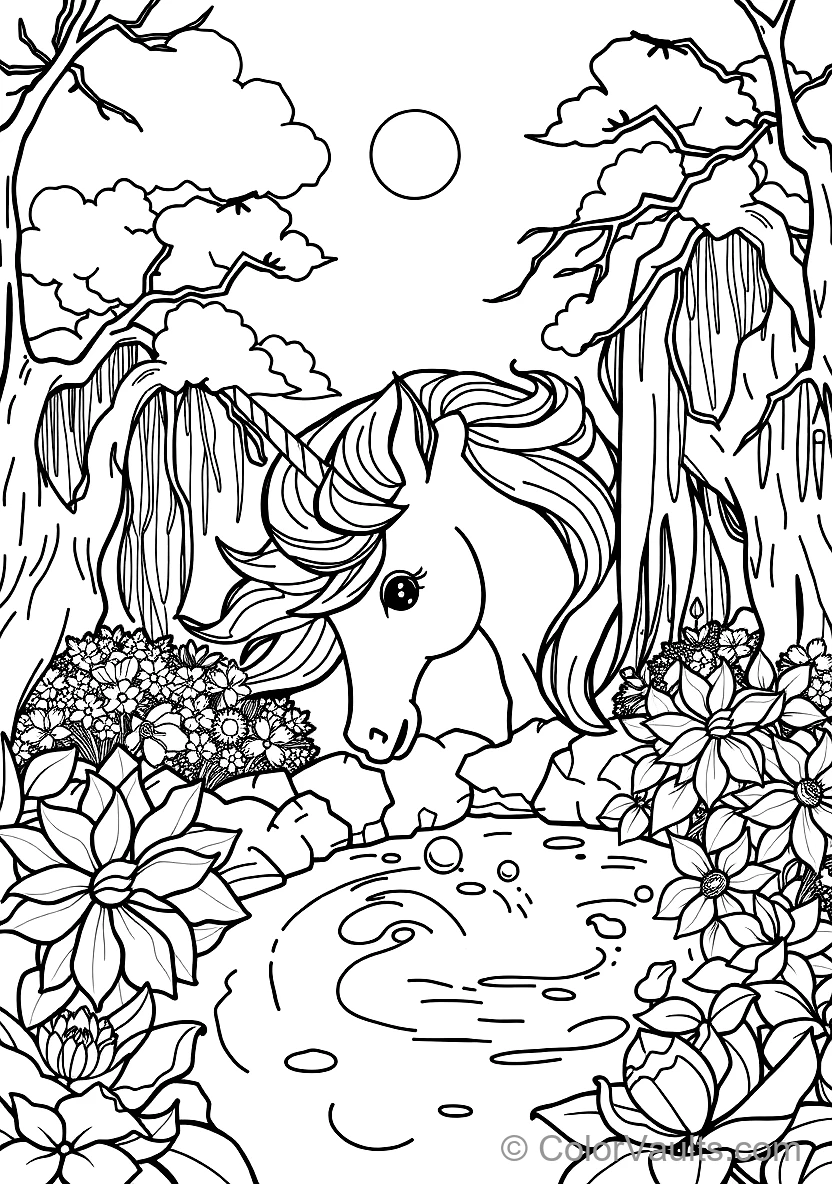
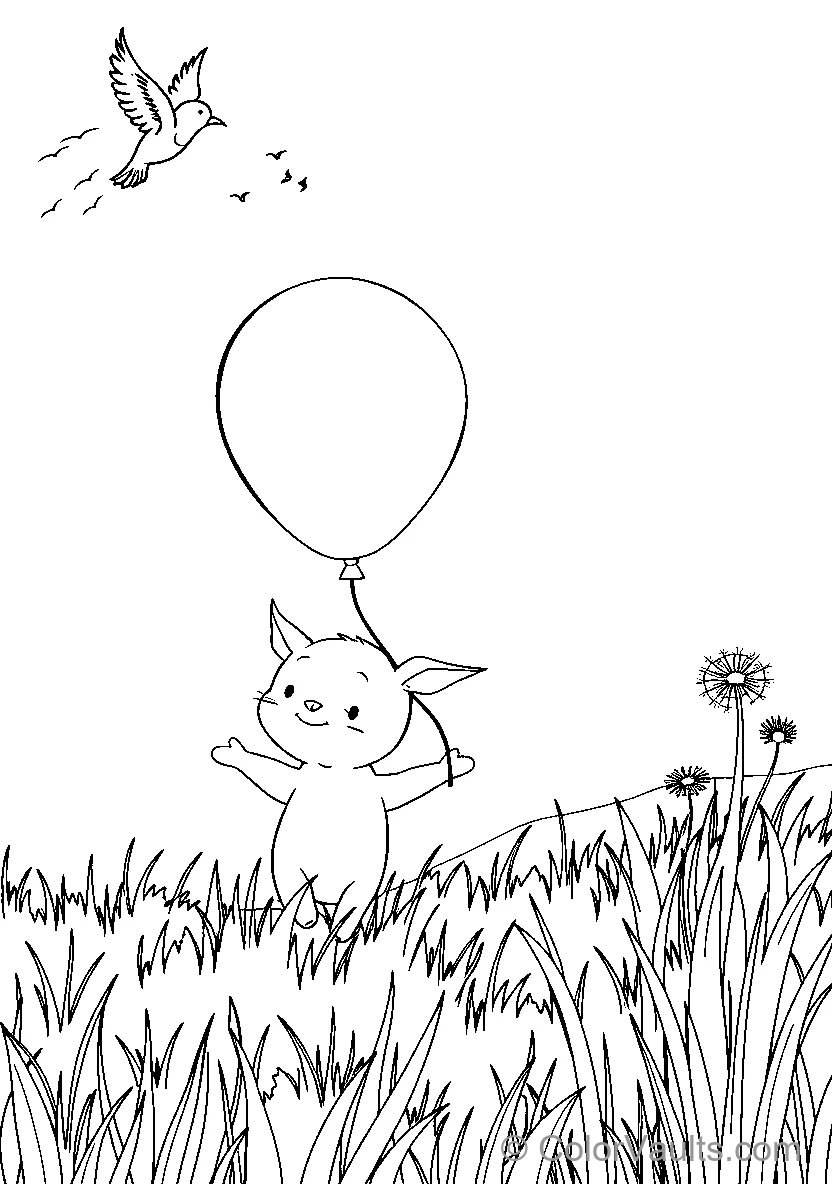
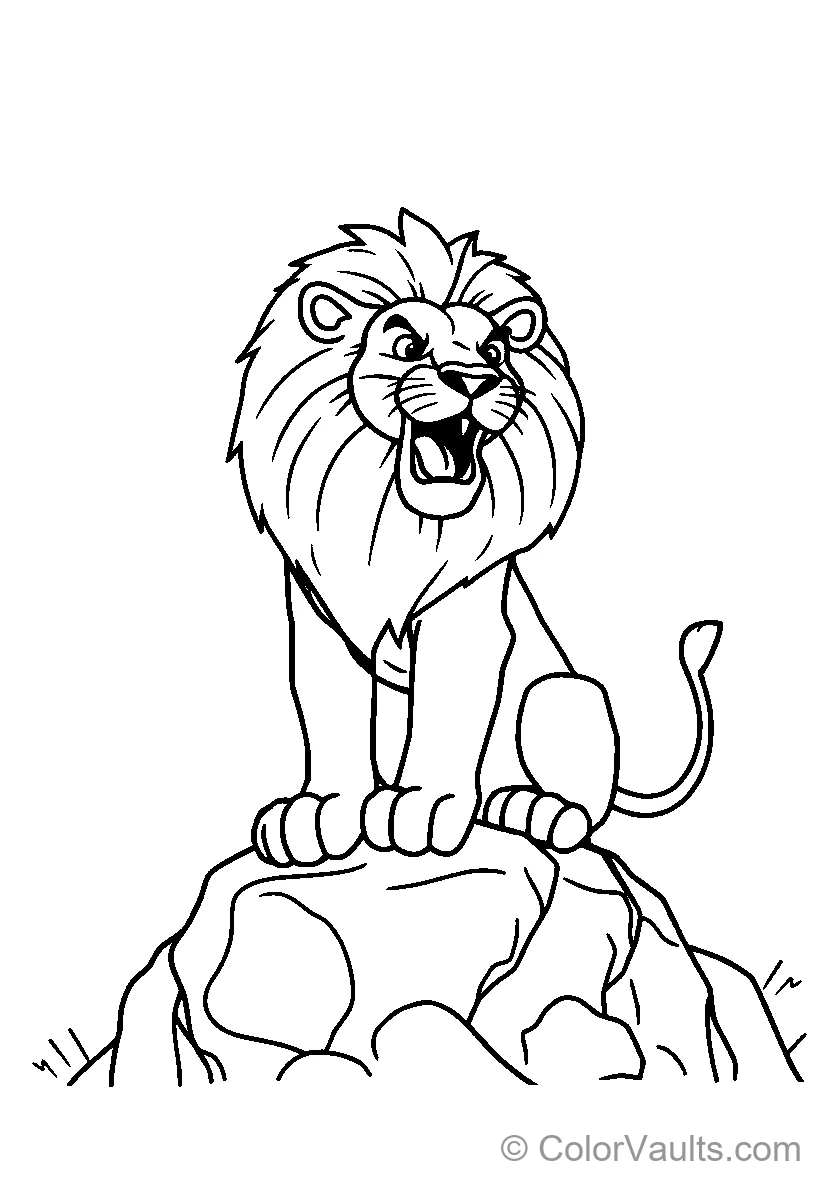
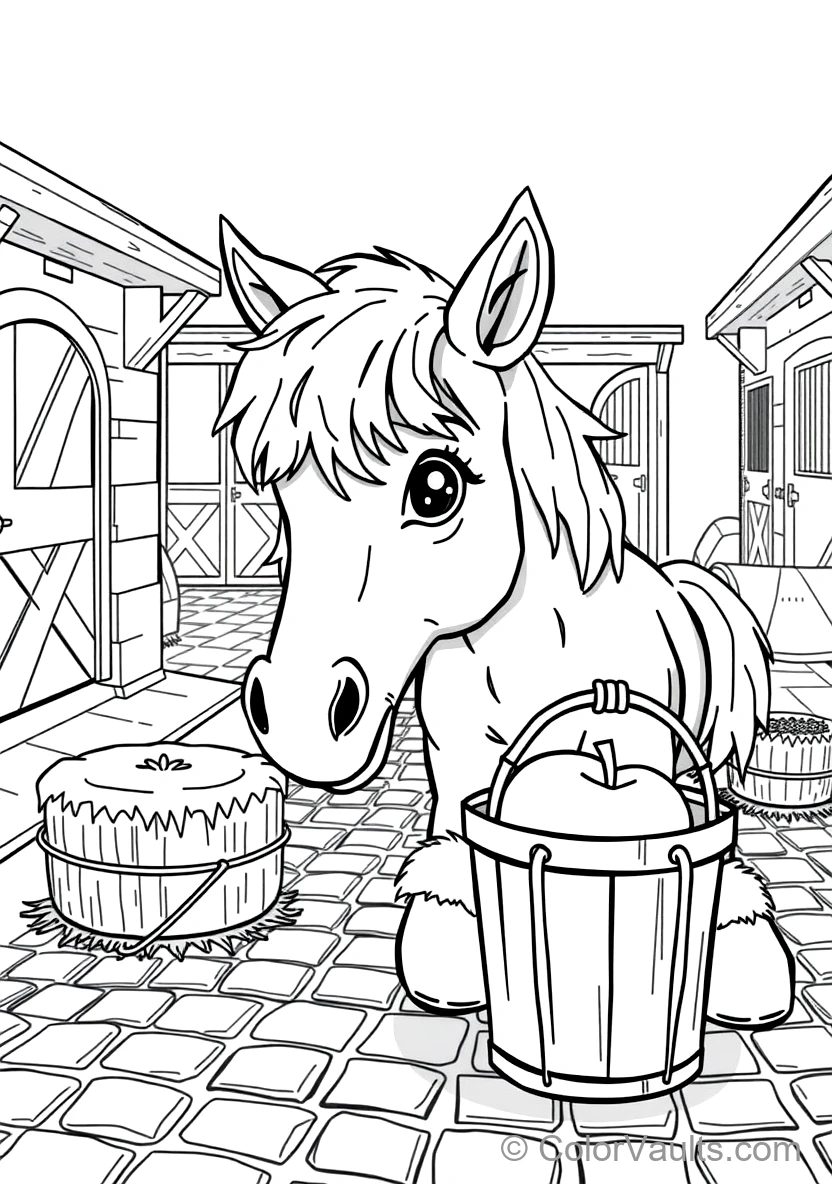
A blank sheet of paper can sometimes trigger decision fatigue or perfectionism ("What should I draw? What if I mess up?"). Pre-drawn coloring templates remove the anxiety of starting from scratch by providing clear, high-contrast black outlines. The child only needs to focus on one micro-decision at a time: choosing a color and filling a single enclosed shape.
Matching Line Complexity to Sensory Needs
- For High-Energy or Restless Moments (ADHD): Choose medium-sized thematic illustrations (like race cars, dinosaurs, or space rockets) divided into 15–25 distinct zones. Combine with smooth gel crayons or brush markers that offer immediate, high-contrast visual payoff with minimal hand fatigue.
- For Sensory Overload & Meltdown Recovery: Symmetrical geometric mandalas or repetitive tile patterns provide soothing visual predictability. Counting and coloring repeating petals in a fixed sequence (e.g., blue-green-yellow) acts as a grounding exercise.
- For Proprioceptive Input: Using thicker triangular wax crayons on textured paper provides gentle resistance ("heavy work" for the fingers), which helps regulate tactile seekers.
Practical Tips for Parents & Therapists
- Limit the Palette to 4–5 Colors: Pouring out a box of 72 pencils can cause visual overstimulation. Offer a curated cup of 4 harmonious colors to make starting effortless.
- Use a Visual Timer: Pair coloring with a 10-minute sand timer during after-school decompression so the child knows exactly how long quiet time lasts.
- Celebrate Process Over Perfection: Never correct a child for coloring outside the lines or choosing "unrealistic" colors like a purple elephant—autonomy is what makes the activity therapeutic.
Printable Crafts